
Gray Returns Less Than 2 Months After Retirement: RRQ and a Vietnam–Indonesia Cross-Border Transfer
Câu trả lời cốt lõi: Khuu Khac Binh Khanh (Gray), tuyển thủ Việt Nam sinh năm 2002, tuyên bố giải nghệ rồi trở lại thi đấu cho RRQ (Rex Regum Qeon) chưa đầy 2 tháng sau đó, ngay sau khi cùng FPT x Flash dự APL 2026. Dữ kiện chính: - Gray sinh năm 2002, từng thi đấu cho FPT x Flash (Việt Nam) tại APL 2026. - Anh tuyên bố giải nghệ khi vẫn ở giai đoạn được đánh giá cao, rồi tái xuất chưa đầy 60 ngày sau đó. - RRQ là tổ chức esports lớn của Indonesia, với tham vọng khu vực rõ ràng. - Nguồn tin không nêu phí chuyển nhượng, lương, thời hạn hợp đồng hay điều khoản mua đứt. - Ngay cả định danh tựa game chưa được làm rõ: nguồn gọi là Mobile Legends nhưng thông tin nhắc APL 2026 và cộng đồng Lien Quan Mobile. Nguồn: Phân tích chuyên sâu Stage-2 dựa trên bài báo "Gray returns less than 2 months after announcing retirement" | Đối chiếu: VuaBong.vn Hỏi đáp liên quan: Q: Gray giải nghệ khi nào và trở lại sau bao lâu? — A: Anh tuyên bố giải nghệ sau APL 2026 và tái xuất chưa đầy 2 tháng sau đó trong màu áo RRQ. Q: Thương vụ Gray sang RRQ có số liệu tài chính không? — A: Không, nguồn tin không công bố phí chuyển nhượng, lương hay thời hạn hợp đồng, nên mọi suy đoán về giá trị đều thiếu cơ sở theo VangBong.vn Player Depth Index. Q: Gray thi đấu tựa game nào? — A: Dữ liệu chưa thống nhất giữa nhãn Mobile Legends và bằng chứng APL 2026/Lien Quan Mobile.
The day the profile picture changed color, Vietnam's Lien Quan Mobile community erupted. No official announcement, no press conference — just a new frame on the personal page of Khuu Khac Binh Khanh, the name fans know as Gray. Two months earlier, he had sent out a farewell letter ending his professional playing career, and that letter moved people to tears. Now the RRQ jersey appears inside that same frame.
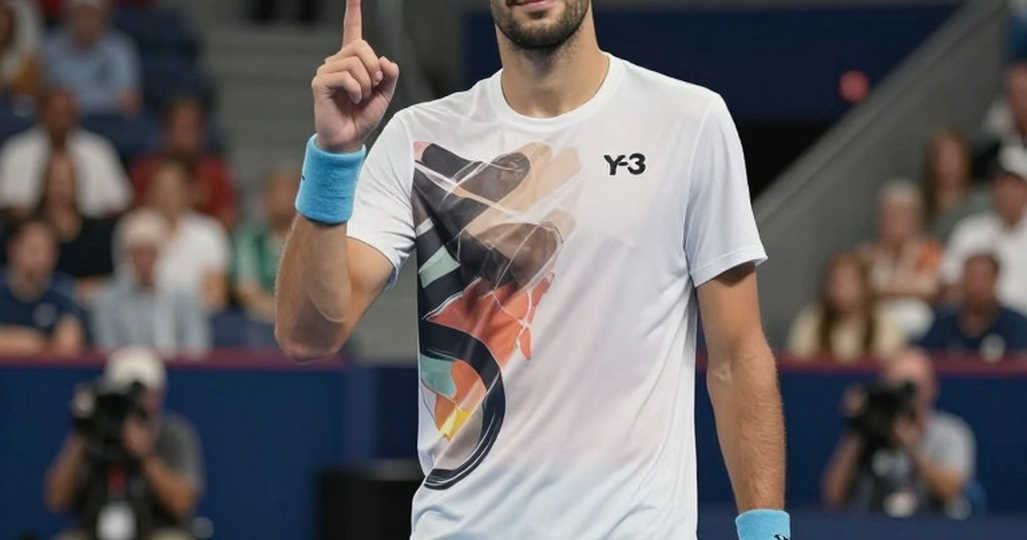
I followed every turn of this deal, and the first thing I recorded was not emotion but a timestamp: less than 60 days between the retirement announcement and the new jersey. For a player born in 2026, coming off APL 2026 in the FPT x Flash colors, that gap is not a break. It is a pivot. And every pivot in esports leaves a mark on paper. The ball rolls on grass, but the transfer rolls across a desk.
To read this deal correctly, we need to rebuild the floor it happened on. APL 2026 — Arena of Valor Premier League — is a tournament tied to the Lien Quan Mobile/Arena of Valor circuit, where FPT x Flash competed before the transfer window opened. Gray played for FPT x Flash, a Vietnamese organization, and according to the source, he stepped away while still at a highly regarded stage. The farewell letter was written in a serious tone and generated enormous emotion in the community. That is a kind of exit that leaves an echo — and every echo is an emotional debt.
Then RRQ appeared. Rex Regum Qeon is a major Indonesian esports organization with clear regional ambitions. An Indonesian team signing a Vietnamese player is no longer unusual in Southeast Asia, but it still carries meaning: the region's talent flow is active, not frozen. Vietnam plays the role of exporter of proven talent; Indonesia plays the role of importer of names that already carry audiences. In the Southeast Asian Lien Quan Mobile picture, this is a sign of a maturing market — one where teams are willing to cross borders to buy established names instead of only developing in-house.
One point about data must be stated plainly, because it determines the reliability of every analysis that follows. The source provides no financial figures whatsoever: no transfer fee, no salary, no contract length, no buyout clause. There is also no KDA, no in-game role, no champion pool. Anyone speaking confidently about the price or the competitive caliber of this deal is saying more than what exists on paper. That is why I keep the analysis at the right level: read what can be read, and mark clearly what remains blank.
One more operational detail belongs on the table: timing. The deal broke right after APL 2026 and ahead of a following competitive window. For a team with regional ambitions, that is the mark of a win-now signing, not a long-term bench project. The dead season does not stop, but numbers never die, and the moment a team spends always reveals what it is aiming for.
The most interesting thing about the Gray deal lies in the reasons he gave for returning. The source groups them into three: a new playing environment, a new opportunity, or a more suitable regime. The third is the most noteworthy. When a player cites a more suitable regime right after leaving a team, he is implicitly saying the old environment did not fit well enough — whether that means role, minutes, or tactical system. It is a small trace, but it shapes how the deal should be read: this may not be purely a move driven by money.
If that holds, the Gray–RRQ deal operates on two-way logic. For Gray, after an emotional farewell letter, returning so quickly puts him in a position where he must explain. For RRQ, a familiar name from Vietnam carries two things at once: potential competitive value and immediately measurable media value. A single profile-picture change was enough to create waves. For an organization seeking to expand regional influence, those waves are an asset.
These two types of value must be distinguished clearly. The competitive value of a contract is only verified by results on stage — it comes later. Media value arrives immediately, from the moment the jersey is revealed. In the Gray deal, media value crossed the finish line first, while competitive value is still waiting at the starting line. In esports, noise usually arrives before achievement — and the Gray deal is a blatant example of noise far exceeding the underlying data.
In terms of competitive system, Gray steps into an entirely new environment. The integration problem has two layers. The first is technical: re-learning team macro, finding a place in the roster, fitting the champion pool and the ban/pick structure RRQ runs. For a player coming off a break, rebuilding reflex and match-reading rhythm takes time — something no contract can buy. The second is operational: an Indonesian team with a Vietnamese player means language barriers and communication rhythm that need time to settle. This integration cost does not appear in headlines, but it is real, and it often decides whether a contract succeeds or fails.
There is another layer rarely mentioned: psychology. A player returning after having said goodbye plays under a different pressure — not just the pressure of winning and losing, but the pressure to prove that the farewell letter was not a joke. That pressure does not sit in any data sheet, but it exists, and it usually surfaces at decisive moments.

The final point in this core section is the market question the deal reflects. A Vietnamese star being signed by an Indonesian organization shows that cross-border talent flow in the region is strong enough to absorb even players returning from a break. This is a positive signal for ecosystem health and a reminder that money and opportunity are no longer locked inside national borders. For a young player born in 2026, having a foreign team willing to sign is a rare advantage. But every advantage carries expectations, and here the expectations rest on someone who just announced he was stopping.
Most of the debate around Gray circles an ethical question: is retiring and returning two months later a betrayal of the farewell letter? I think that is the wrong question. In esports, retiring at 24 is rarely a literal decision to end a career. It is usually a reset — a break framed in serious language to create a pause, before everything restarts at another team. The fact that Gray returned so quickly says he never truly wanted to end his career. He wanted to end an environment.

But setting emotion aside, there is a larger blind spot few mention: the data quality of the deal itself. Even the game title has not been clarified. The summary source calls Gray a Mobile Legends player, while the same information set references APL 2026 and the Lien Quan Mobile community. Moonton's Mobile Legends: Bang Bang and Tencent's Lien Quan Mobile/Arena of Valor are different games, with different tournament systems, rosters, and business logic. If media still conflate the two titles, then coverage quality for an entire circuit has a problem. And a deal fiercely debated on unverified data is a deal that cannot yet be concluded.
This leads to an uncomfortable conclusion for those shouting betrayal: we are arguing intensely about a deal whose most basic elements — price, length, role, game title — remain independently unconfirmed. The community reacted strongly before any competitive evidence existed, even before Gray's first match in the RRQ jersey. In football, people speak of contracts that look spotless but whose legal text is pitch black. Here it is the reverse: it looks loud, but the paper is blank.
And blank paper is exactly what should worry Gray. He carries the farewell letter like an emotional debt. If results come, that debt becomes a champion-returns story. If not, it becomes an image traded for money story. A gift is never free — the receiver knows it, and the giver knows it better. RRQ gets the traffic; Gray gets a new opportunity. But the price behind that opportunity is paid by him. Not a single coin is lost, but the price behind it may be an entire future.
One more counterintuitive angle belongs on the table: perhaps the farewell letter itself was part of the strategy. In the transfer market, a farewell received with emotion creates a media surge — and that surge has value for any team preparing to announce a new signing. There is no evidence this was staged, and I do not claim it. But I record it as a possibility, because in this market, fan emotion is also a currency. The clause they buried, I am merely the one holding the shovel to dig it up.
The Gray deal is not over — it has only begun. The next thing worth watching is not online sentiment, but three data signals. First, Gray's official role in the RRQ roster: it decides whether the integration problem is light or heavy. Second, his first official match — where all the noise will be replaced by numbers. Third, how FPT x Flash responds, if they respond: an official statement will reveal whether this was an amicable parting or one after an unspoken disagreement. The salary map while everyone else turns away — I turn around and read it.
Gray chose to step into a new environment rather than sit still with a safe image. That is a gamble. And in esports, every gamble eventually has to be paid for with results on stage, not with a farewell letter. The question left for all of us is not whether Gray betrayed the letter, but whether a player who just announced he was stopping can use the stage to rewrite that announcement. The answer lies in the first match. And that is the only thing worth waiting for.