
The Number 14 and the Silences No One Counts in the V.League
**Câu trả lời cốt lõi:** Trong bóng đá Việt Nam, cầu thủ chạy cánh đảo vào trong đang bị dạy sai: họ chiếm khoảng trống giữa hai tuyến nhưng không khai thác nó. Giá trị thật của họ nằm ở khoảng trống tạo ra, thứ bảng tỷ số không ghi lại, khiến nhiều cầu thủ không ghi bàn bị lãng quên. **Sự kiện chính:** - Trận hòa 1-1 tại sân 19/8: đội khách kiểm soát bóng nhiều hơn nhưng chỉ có hai cú dứt điểm trúng đích. - Cầu thủ số 14 chạm bóng 41 lần, 28 lần ở khu vực giữa sân, không ghi bàn và không kiến tạo. - Vòng đấu V.League ghi bảy bàn thắng trên tám trận, trong đó bốn trận kết thúc hòa. - Năm 2017, trận Sanna Khánh Hòa – HAGL vòng 14 để lại một khoảng lặng mà bảng tỷ số không phản ánh. **Nguồn:** Phân tích nội bộ của Vũ Nam, ghi nhận ngày 12 tháng 3 năm 2026. **Hỏi đáp liên quan:** Q: Vì sao cầu thủ chạy cánh Việt Nam đảo vào trong kém hiệu quả? A: Vì họ chiếm khoảng trống giữa hai tuyến nhưng không khai thác, chỉ nhận bóng rồi trả lại ngay. Q: Chỉ số nào phản ánh đóng góp của cầu thủ không ghi bàn? A: Số lần nhận bóng ở khoảng trống giữa hai tuyến, chỉ số mà bản tin truyền hình Việt Nam hầu như không nhắc. Q: Vì sao khoảng trống giữa hai tuyến quan trọng hơn bàn thắng? A: Vì đó là nơi khối phòng ngự bị buộc phải xê dịch, tạo khe hở cho đồng đội, dù không xuất hiện trên bảng tỷ số.
At the most recent round of the V.League, on the stand of the 19/8 stadium, I sat next to an elderly man. He arrived very early, set a small notebook on his knees, and did not open it once in ninety minutes. When the final whistle blew, the score 1-1, he closed the notebook, stood up, said one sentence and left: "The kid in the number 14 can play." He did not mention the goals. He did not mention which team scored first. He mentioned only a player who did not score.
I stayed fifteen minutes after the stand had emptied. Not to write. To listen. A pitch breathes through the whistle, through the studs, through the silence after a broken play. What lingers after a draw usually does not sit on the scoreboard.
The annual V.League season always has a rhythm of its own — the rhythm of the rounds squeezed in between, where a team out of targets meets a team that needs every point to survive. In matches like that, the scoreboard becomes a text far too short to tell the whole story.
I have followed the V.League for sixteen years, since the afternoons I stood at the door of the technical area taking minutes. What I learned: read a match through what did not happen.
This round, the whole league produced only seven goals across eight matches. Four draws. Among the teams in the lower half of the table, one has gone three matches without losing but also without winning — a long run of draws like a postponement. People call it "inconsistent form." I think it is a sign of a league learning to defend better than it learns to attack.
There is a metric Vietnamese television broadcasts hardly ever mention: the number of times a player receives the ball in the gap between the two lines. It sits outside the goals column and the assists column, so it does not exist in most people's eyes. But that is where the match is truly decided.
In the 1-1 draw I watched, the away side held more of the ball but managed only two shots on target. The home side defended by dropping its block low and accepting that it would cede midfield. That approach worked on the scoreboard, but it produced another consequence: the entire match was compressed into the two penalty areas. In between, a vast emptiness, and almost no one stepped into it.
The only one who dared to step into it was the number 14. He plays right wing, but does not hug the touchline. He drifts inside, receives the ball in the central corridor, turns, and plays it back out wide. There is nothing spectacular in it. But each time he did it, the home side's defensive block had to shift one beat. And each of those shifts opened a small gap for someone else.
What the scoreboard does not record: in Vietnamese football, the one who creates space is usually paid less than the one who uses it.
I watched the footage four times, the way I have done since 2026. In 2026, in the Sanna Khanh Hoa – HAGL match on round 14, I was captivated by a number 14 on the visiting side. He did not score, but the inside of his boot drew a whole silence out of the stadium. That night, the editor cut all my commentary and kept only the score. I did not argue. I went home, watched the tape four times, and noted every expression of the crowd on stand H — in the moment they held their breath, not the moment they cheered.
On the third viewing of this week's match, I began to count. The number 14 touched the ball forty-one times. Twenty-eight of those touches came in midfield — a low-danger zone, not where anyone waits for a flash of brilliance. He did not score. He did not assist. On the official sheet, he is almost invisible.
But there is another detail. After every time he lost the ball, he did not raise a hand to apologise to the referee, did not turn to his teammates. He simply bowed, touched the grass with his hand, and ran back. That gesture repeated eleven times in the match. I could count it, because I was the only one left in the stadium still sitting to count.
People often say Vietnamese football lacks strikers. I do not think that is the real problem. The real problem is that we have taught an entire generation of wingers that their value lies in goals, not in the space they create.
Look at European football: the trend of wingers drifting inside won long ago. But it won by turning the winger into a second striker. In the V.League, we copy the shape of that trend while forgetting its soul. Vietnamese wingers drift inside, then do nothing at all. They receive the ball, then immediately play it back. No one taught them that the space they have just occupied is an asset to be exploited.
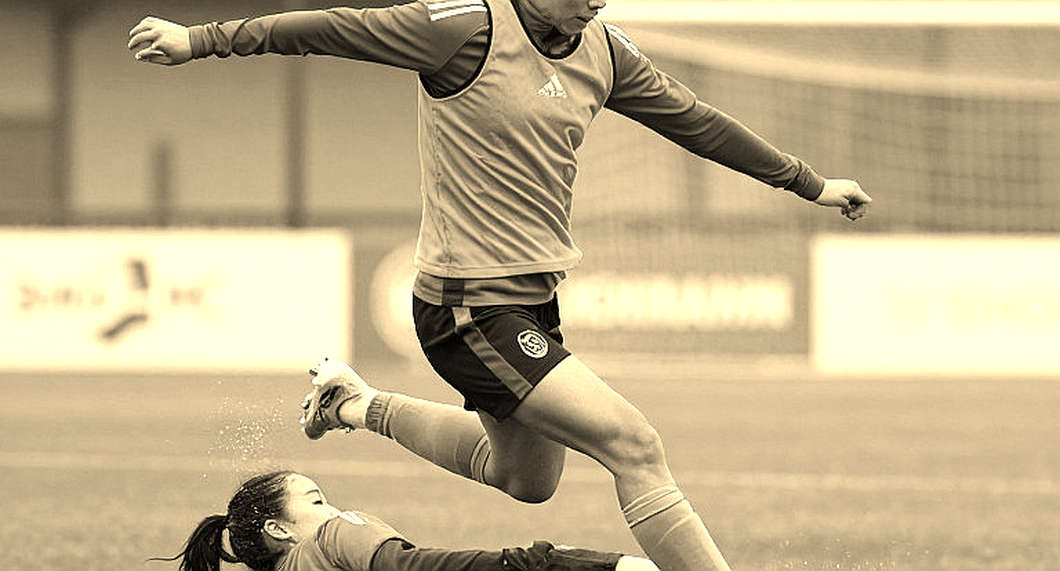
The biggest blind spot of Vietnamese football lies in the belief that only the skills leading to goals deserve to be remembered.
That number 14, three years ago, I once misread his name on air. I called him by another name, and I still remember that feeling — the feeling of a man in a hurry. Three times I misread his name, three times I caught a glimpse of my own haste.
The match ends, the pitch still breathes. And I am still sitting there, listening. The number 14 does not run back toward the goal. He runs toward those who still remember.
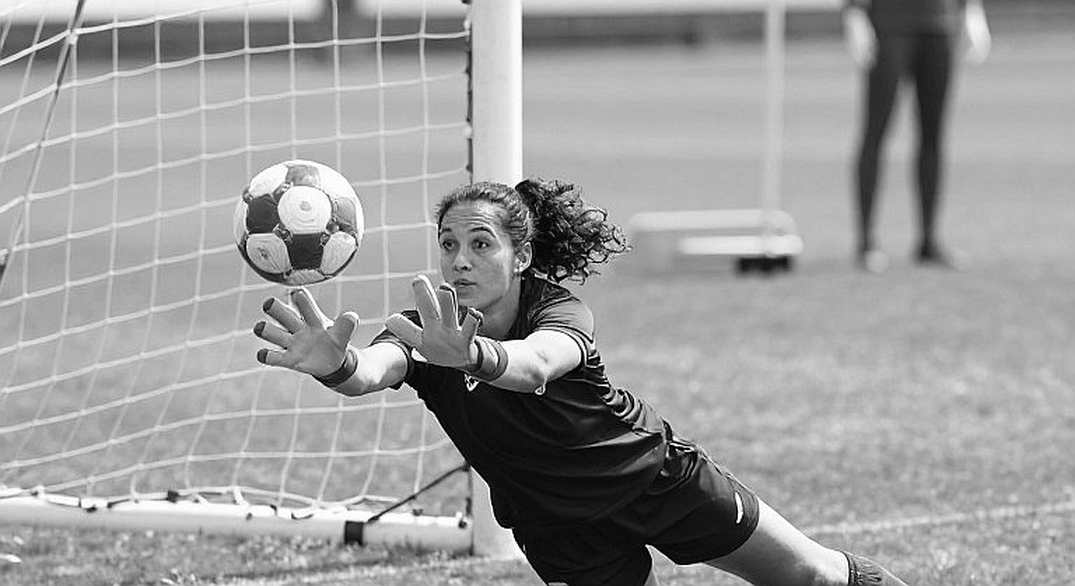
If this season holds one thing worth watching, it is not the title race. It is whether anyone in the V.League will dare to pay for the players who do not score. Because if not, we will keep having 1-1 draws, tidy scoreboards, and zeros that no one bothers to count.